When Pop Stardom Becomes a Hurdle
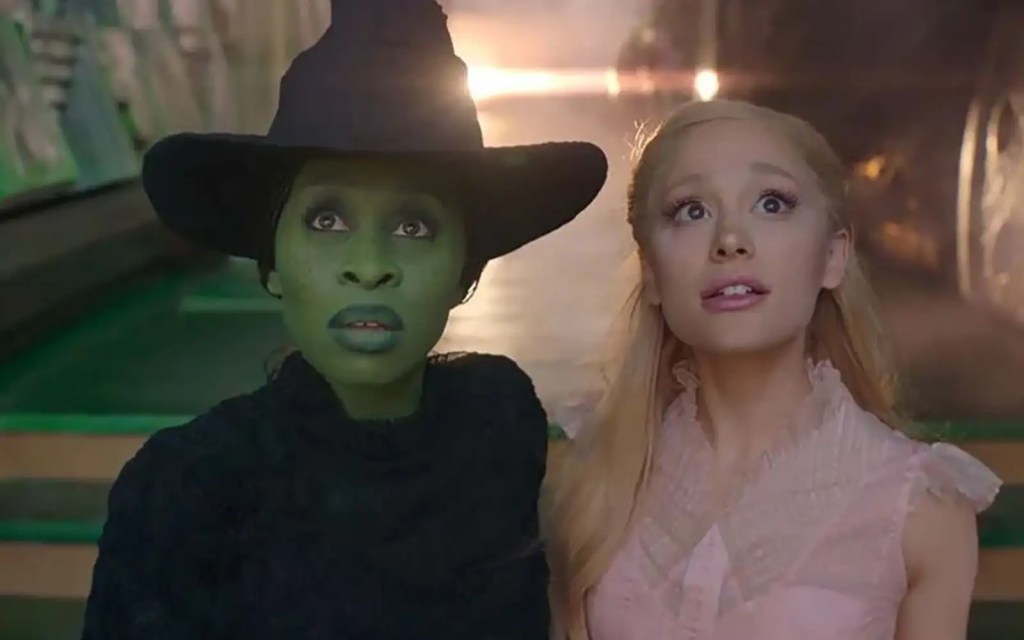
When Ariana Grande was cast as Glinda in the highly anticipated Wicked film adaptation, the internet imploded with opinions. Reactions ranged from “perfect casting!” to “she’s too much of a pop star for this role.” It was as if Ariana’s ponytail alone could spark an existential debate about who owns Broadway. To some, she was forever the chanteuse of chart-topping hits like Thank U, Next and 7 Rings; to others, her lifelong love of musical theater and technical vocal prowess made her a natural choice.
But beneath the glittery veneer of her pop persona, Ariana Grande had to grapple with a serious issue: how to convince the world that she was more than a global pop icon and, more importantly, convince Wicked‘s producers that she could be their Glinda.
According to her interview on the Sentimental Men podcast, her journey to securing the role was anything but smooth. Grande revealed how she auditioned with what she described as “everything in her heart,” knowing that her celebrity status might work against her. There was a distinct possibility that her public image — think platform boots, flowing mini skirts, and whistle notes dominating TikTok—would overshadow her ability to authentically embody the “good witch.”
It’s telling that Kristin Chenoweth, the original Glinda, gave Grande a piece of advice that’s practically a marketing tagline in itself: “Let Glinda meet you.” It was a reminder for Grande to bring her own interpretation, rather than replicate Chenoweth’s iconic performance—a key takeaway that subtly found its way into the film’s marketing campaign.
Ariana’s Casting: Shifting the Target Audience
Ariana Grande’s casting wasn’t just a casting decision; it was a seismic shift in the film’s marketing strategy. Before her involvement, the target audience for Wicked might have been clear-cut: musical theater diehards, LGBTQ+ fans who’ve turned Defying Gravity into an anthem, and families who’ve memorized every lyric during car rides. But Grande’s name on the marquee instantly broadened the scope. Her massive, multi-generational fanbase — Arianators, millennials, Gen Z, and even nostalgic fans of Victorious — meant the movie had a new wave of potential ticket buyers.
This casting brought in a younger audience who might not have been familiar with the original Broadway production. Suddenly, Wicked wasn’t just a beloved musical coming to the big screen; it became a cultural moment. This shift in audience meant the marketing team needed to toe a careful line. How do you promote a movie to both traditionalists who consider Wicked sacred and newer audiences who associate Ariana with bedazzled mic stands? The answer lay in crafting a campaign that balanced reverence with reinvention.
Wicked Part One: A Global Campaign
The Wicked press tour—a whirlwind of global premieres, interviews, and exclusive behind-the-scenes content—was a masterclass in hype-building.
For starters, there was the release of strategically timed teaser trailers that did everything but scream “Pay attention to the music.” The first trailer featured glimpses of Grande’s Glinda descending in her iconic bubble and Cynthia Erivo’s Elphaba soaring high above Oz. The marketing team leaned heavily on visual nostalgia, teasing scenes that mirrored the Broadway set design, all while showcasing just enough spectacle to feel cinematic.
Social media was a major player, with Grande using her platforms to post rehearsals, behind-the-scenes snaps, and heartfelt reflections on her childhood dream of being in Wicked. These posts weren’t overly polished—a deliberate choice. Instead, they felt personal, a calculated move to bridge her pop star identity with her role as a musical theater devotee.
The team also worked to build anticipation for Part Two, making it clear that this was not just a film but an event—a sprawling epic à la Dune or Harry Potter and the Deathly Hallows. From the beginning, they framed the story as “too big to fit into one movie,” a clever way to ensure the audience would remain hooked.
What’s Next: Wicked Part Two and Marketing Hypothesis
With Wicked Part One already on the big and small screens, the buzz for Part Two is already bubbling. What’s fascinating is how the marketing strategy might evolve for the sequel. Grande’s role in Part Two—which features Glinda’s transformation into a more politically savvy and morally complex figure—is ripe for narrative teasers.
Expect the marketing team to lean heavily into the darker tone of the sequel. While Part One focuses on the friendship between Glinda and Elphaba, Part Two’s narrative will likely delve into betrayal, power struggles, and heartbreak—a tonal shift that can be mirrored in the visuals, music, and even social campaigns. Grande’s role in this could be pivotal, as the marketing pivots from bubbly optimism to gravitas.
There’s also speculation about the soundtrack. Could Grande, with her pop megastar credentials, release a single for the film? A new rendition of For Good, perhaps? Given her fanbase’s loyalty, this tactic could catapult the sequel’s visibility to another level entirely.
Lastly, the marketing for Part Two could tap into Wicked’s wider themes: redemption, forgiveness, and how power corrupts. We’ve seen Grande do this before with her personal music—who’s to say this marketing tactic won’t trickle down into Part Two? The target audience, now broadened, might appreciate a campaign that’s less about nostalgia and more about relevance.
Ariana Grande’s Dual Role: Marketing and Muse
Ultimately, Ariana Grande’s journey from pop princess to Glinda is not just a story about overcoming public perception but a masterclass in leveraging celebrity to reinvigorate a brand. While the Wicked marketing team had their work cut out for them, Grande’s casting proved to be both a challenge and an opportunity—one that helped reposition Wicked as more than just a Broadway adaptation. It’s a global event with crossover appeal, anchored by a star who managed to defy gravity—and public expectation—to make her mark on Oz.
So here’s to the good witch and the marketing mania she’s inspired. Whether you’re Team Glinda or Team Elphaba, one thing is certain: we’re all waiting to see how this story ends.
 Margaret Dalene Armstrong