The Anatomy of a PR Bloodbath: Dark Marketing Tactics in the Aftermath of “It Ends With Us”
If the marketing disaster surrounding It Ends With Us felt like an unplanned spiral into the absurd, the lawsuit aftermath—and the dark PR maneuvers that followed—have solidified it as one of Hollywood’s most grim cautionary tales. What began as a marketing misstep devolved into a public relations nightmare of staggering proportions, featuring smear campaigns, subpoenaed messages, and calculated character assassinations. It’s the kind of saga that makes you question how far Hollywood’s image-makers will go to protect or destroy a reputation—and how willingly they blur the lines between story and strategy.
Here’s how it all unfolded, and what the dark marketing tactics employed by both sides reveal about the underbelly of celebrity PR warfare.
From Tone-Deaf Marketing to Legal Crossfire
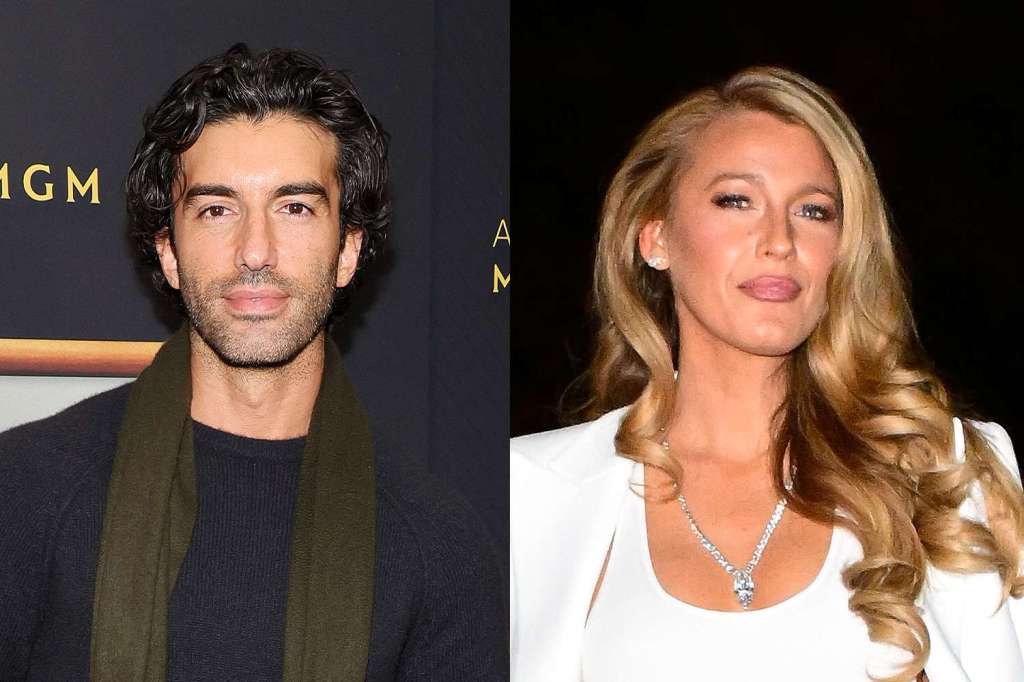
When Blake Lively and Justin Baldoni first joined forces to promote It Ends With Us, few could have predicted the fallout that would follow. The marketing for the film, meant to address the cycle of domestic abuse, instead prioritized florals, fashion, and frivolity—a catastrophic misalignment with the story’s heavy themes. Lively’s upbeat promotional content, paired with dubious choices like floral cocktails named after the film’s abuser, sparked a torrent of criticism online.
But the marketing missteps were only the prologue to a far darker chapter. Rumors of tension between Lively and Baldoni began to surface, culminating in dueling lawsuits and public accusations of smear campaigns orchestrated behind the scenes. While Lively accused Baldoni of harassment and an “untraceable” PR takedown campaign, Baldoni countered with libel lawsuits and allegations that Lively’s team had been engaged in a character assassination of their own. And this is where things got truly Machiavellian.
The Subpoena Circus: A Glimpse Into the Shadows
Stephanie Jones, Baldoni’s former publicist, filed her own lawsuit alleging defamation and conspiracy against him. Her legal team issued subpoenas to tech companies like WhatsApp, Signal, Hostinger, and Namecheap in an effort to unmask the culprits behind anonymous posts and smear sites targeting both Lively and Baldoni. The subpoenaed communications, revealed through civil litigation, painted a damning picture of how calculated the campaigns against Lively were.
According to texts obtained by The New York Times, Baldoni’s crisis PR team, led by Melissa Nathan, brainstormed strategies to “bury” Lively under negative press. Suggestions included planting unflattering stories in the media and weaponizing social media to turn public opinion. “Full social takedowns” were proposed, complete with “threads of theories” designed to make Lively look “horrible to work with.” In one particularly chilling exchange, Baldoni reportedly flagged a positive news story about Lively, suggesting his team “flip the narrative” to undermine it.
Meanwhile, Lively’s legal complaint revealed her own side of the story: she accused Baldoni of hiring private investigators to dig into her personal life and planting whispers of unprofessionalism within the Hollywood rumor mill. Her team alleged that this smear campaign, which included baseless rumors and manipulated optics during the film’s press tour, led to “severe emotional distress” for both her and her family.
The Dark Art of Smear Campaigns
Smear campaigns have long been part of Hollywood’s unspoken playbook, but the Baldoni vs. Lively saga highlights just how insidious they’ve become in the digital age. These campaigns rely on three primary tactics:
1. Anonymity as a Weapon
Both sides appeared to utilize anonymous social media accounts and websites to spread disinformation. These accounts amplified negative narratives, creating a snowball effect that blurred the line between organic criticism and orchestrated attacks. For instance, shortly after Lively’s upbeat promotional video for It Ends With Us went viral for the wrong reasons, a wave of anonymous comments praised Baldoni’s “sensitivity” while condemning Lively’s alleged “tone-deafness.” Coincidence? Not likely.
2. Manipulating Social Sentiment
Baldoni’s PR team reportedly tracked social media trends, flagging negative posts about Lively to amplify through their own networks. This tactic isn’t new—remember the Johnny Depp vs. Amber Heard trial, where social media sentiment seemed suspiciously lopsided? In this case, the deliberate “shifting” of public opinion against Lively mirrored that playbook.
3. Weaponizing Media Outlets
The lawsuit revealed coordinated efforts to pitch negative stories to media outlets under the guise of “leaks” from insiders. Lively’s team alleged that Baldoni’s crisis manager planted stories designed to question her professionalism and motivations—such as the idea that she launched her haircare line, Blake Brown, to “co-opt” the film’s release for personal gain.
Collateral Damage and Reputation Fallout
The aftermath of these campaigns has been devastating for all involved. Vital Voices, a nonprofit focused on empowering women, rescinded Baldoni’s award for supporting female storytelling. His podcast co-host for Man Enough cut ties with him, and major Hollywood figures like Colleen Hoover and Lively’s Sisterhood of the Traveling Pants co-stars publicly voiced their support for Lively. Baldoni’s lawsuits against The New York Times and Lively have only further entrenched him in the chaos of public scrutiny.
For Lively, the backlash hasn’t been entirely one-sided. Critics continue to question her decision to promote her haircare line during the film’s rollout, and resurfaced clips from past interviews have been used to attack her character. Even with public support from peers, the emotional toll has been palpable—Lively backed out of hosting Saturday Night Live after the initial wave of criticism and has largely stayed out of the public eye since.
A Teachable Moment for Hollywood?
The It Ends With Us marketing disaster and its aftermath underline an uncomfortable truth about Hollywood: reputation is a currency, and some will go to shocking lengths to protect or destroy it. Smear campaigns, dark PR tactics, and manipulative marketing strategies are not just unethical—they’re counterproductive in an era where audiences demand authenticity.
The irony of a film about breaking toxic cycles being at the center of such toxic behavior is almost too on the nose. But perhaps there’s an opportunity here for Hollywood to learn from its mistakes. As this saga unfolds, one can only hope it serves as a wake-up call—not just for the power players who weaponize public sentiment, but for audiences who need to stay vigilant in separating fact from manufactured narrative.
Because if there’s one lesson we can all take from this mess, it’s that the cycle of dark marketing tactics will only break if we demand better—both from Hollywood and from ourselves.
 Margaret Dalene Armstrong