The Brat Era: How Charlie XCX Defined Brat Girl Summer and Reclaimed Pop Culture
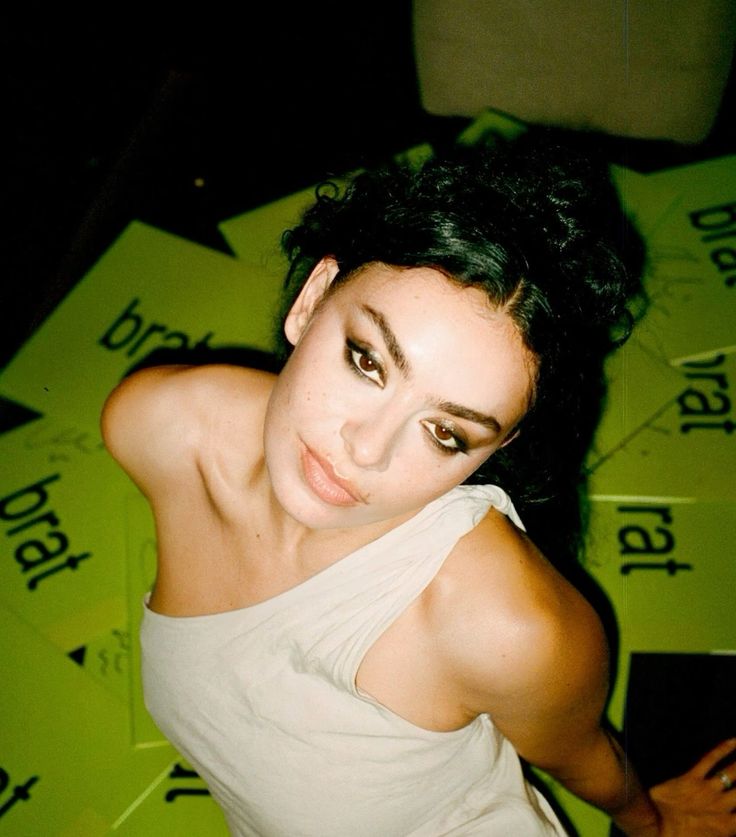
British icon Charlie XCX stands out as the unapologetic queen of chaos, redefining the music landscape with her “Brat Girl Summer.”
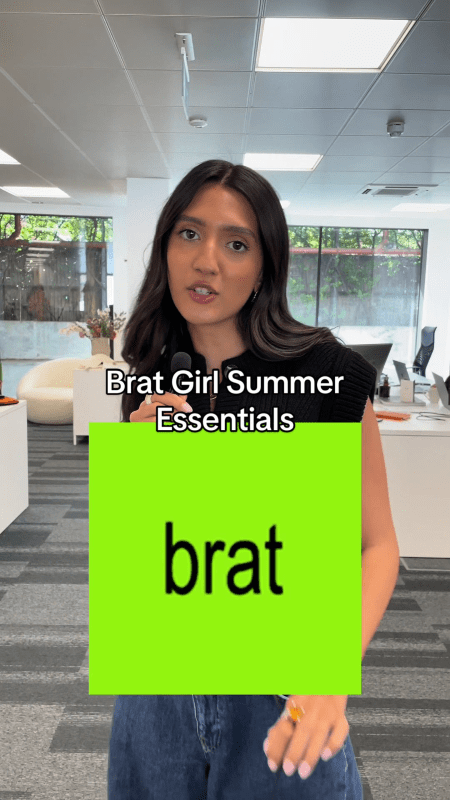
Ah, summer. A season punctuated by sizzling pavement, cold drinks, and the perpetual thrum of top-40 hits that make you feel like weekend trips to the cottage and cocktails on the patio will never end. For most, it’s the season of sunshine and endless memorable nights. But for Charlie XCX, summer 2024 represents something more—a pop-cultural milestone. Not just another chart-topping moment, but a fully branded experience: Brat Girl Summer.
Far from being a throwaway catchphrase or a fleeting marketing ploy, “Brat Girl Summer” captures a movement. It’s the sound of rebellion paired with infectious fun. In her relentless pursuit of creating a sonic world where being unruly is not only accepted but celebrated, Charlie has redefined her place in the industry. It’s not just music; it’s a cultural zeitgeist—and that is where the genius lies.
The Evolution of a Pop Prodigy
To understand the “Brat Girl Summer,” you have to first appreciate the career trajectory that led here. If Charlie XCX were a summer cocktail, she’d be one part classic pop, one part punk provocateur, shaken with a dash of glitter and poured over a foundation of irreverence. Her career took off with I Love It, the Icona Pop anthem she co-wrote. It was brash, bold, and made you want to throw your hands up in reckless abandon, which—coincidentally—also sums up her persona.
But it didn’t stop there—her breakout moment as a solo artist came when she unleashed Boom Clap on the world, a song that paired big, euphoric synths with just enough edge to make you feel like you were discovering something slightly subversive in the pop landscape. It was her John Hughes moment—heartfelt, cathartic, and just the right amount of nostalgia—but what followed was even more impressive: a refusal to stay boxed in.
For Charlie, it wasn’t about making chart-friendly hits; it was about making the audience feel something new.
From her 2017 mixtape Pop 2, which introduced hyperpop to mainstream consciousness, to collaborations with the likes of SOPHIE and AG Cook, she pushed boundaries in both sound and visuals to continuously evolve. The chaotic, experimental world she built made her a cult icon. She no longer just wrote songs that fit on playlists; she created sonic experiences that demanded attention. Her 2019 album Charli saw her flirt with the mainstream again, but on her own terms, fusing hyperpop with emotional depth and anthemic choruses. For Charlie, it wasn’t about making chart-friendly hits; it was about making the audience feel something new.
Welcome to Brat Girl Summer
Fast forward to 2024, and we find ourselves in the midst of Brat Girl Summer. While most pop stars stick to catchy one-liners to brand their albums (think Lady Gaga’s Chromatica or Taylor Swift’s Folklore), Charlie went one step further—she branded an entire vibe.
“Brat Girl Summer” is more than a seasonal tagline. It’s an invitation to embrace your inner chaos and have fun with it. The genius lies in how she strategically capitalized on a cultural moment. Right now, we’re living in a time where audiences crave authenticity, but not just any authenticity—the kind that’s messy, complex, and multifaceted. Enter Charlie, who has managed to build an empire by not playing by the rules.
Brat wasn’t just your run-of-the-mill album launch. Sure, there were singles, but there were also Instagram teases of a universe where glitter meets grime, where fans are encouraged to be bratty in the best way possible. The timing of the launch played a crucial role as well. After a few years where the world felt heavy, (think: post-COVID recessions, the housing market for millennials, political climates, etc.) “Brat Girl Summer” was a brilliant counterpunch—an era for all those ready to let loose after feeling boxed in for too long. From TikTok snippets to viral Twitter memes, the campaign was everywhere, yet still felt organic, as if it was created by fans for fans.
In the video for Speed Drive, for example, Charlie embraces a colorful, punky, hyper-feminine aesthetic, racing through the streets like an unapologetic, adrenaline-fueled brat. The references to the Barbie movie and vivacious fun mixed nostalgia with now, hitting the cultural sweet spot. This song wasn’t just on the soundtrack; it became a soundtrack for anyone wanting to escape the mundane with high-octane glamor.
What Makes Brat Work?
The brilliance of “Brat Girl Summer” lies in its intersection of fun and freedom. In an online world full of curated social media feeds and polished pop personas, Charlie gives us permission to be messy, to not care what anyone thinks, and to live life on our own terms. Her marketing strategy taps into this by creating a sense of inclusion. When you listen to Charlie’s music, attend her concert or follow her social media, you don’t feel like a passive fan. Instead, you’re invited to take part in the fun.
Look at the collaborations that have underpinned this success. Her work with AG Cook (founder of PC Music and a key figure in the hyperpop movement) and other boundary-pushers gave her music an experimental edge. But it was her 2020 collaboration with Dua Lipa on the remix of “Physical” that really positioned her as a pop culture trailblazer. It showed that while Charlie could play in the experimental spaces of the music industry, she could also step into mainstream pop—and own it.
To reinforce this, Charlie dropped the deluxe version of her brat album, playfully titled brat and it’s completely different but also still brat. In this reworked version of the original album, she remixed every song and featured an impressive roster of guest artists, ranging from pop royalty to indie icons. The featured artists spanned an eclectic mix of genres, including Ariana Grande, The 1975, Troye Sivan, Billie Eilish, and Bon Iver, among many others. This diversity in collaboration reflects her commitment to blending sounds and crossing genre boundaries. One could argue that no one but Charlie could convincingly bring together a moody folk artist like Bon Iver and a stadium pop queen like Grande under the same project—and make it feel like a coherent experience.
I’ve always had a bit of an issue with songs coming out and being cemented as one thing for eternity…. I think songs are endless and have the possibility to be continuously broken down, reworked, changed, morphed, mutilated into something completely unrecognizable. That’s what I was wanting to do with this record, and I’m so happy that all the collaborators on this record were so open to exploring and reinterpreting the songs with me.
This flexibility is key to understanding Charlie’s success. The pop industry thrives on reinvention, and Charlie has perfected the art of evolution while staying true to her brand. This mindset highlights the true essence of Charlie’s music: fluidity, transformation, and a refusal to settle into any one mold. In a way, brat and it’s completely different but also still brat is emblematic of Charlie herself—a pop star whose identity is constantly shifting yet always unmistakably her own. This consistency in identity, paired with an ever-changing sound, keeps her relevant in an ever-shifting industry.
The Digital Playground
What makes Charlie’s marketing strategy truly stand out is her mastery of digital spaces. In today’s music industry, social media is no longer an option—it’s a necessity. But instead of merely posting polished promos, Charlie engages her fanbase with a level of authenticity that feels like a conversation rather than a broadcast. She uses Instagram, TikTok, and Twitter to blur the line between artist and audience, often inviting her fans to participate in her world. Take, for instance, her constant online interactions where she casually drops behind-the-scenes moments, inside jokes, or even song snippets. This approach not only builds hype but makes her fanbase feel like they’re in on the process. It’s not “us” versus “them”; it’s “we.”
And what better example than the viral Brat Girl Summer TikTok challenge? Fans around the world posted their bratty, carefree moments set to Charlie’s tracks, building a communal celebration of rebellious joy. This wasn’t just a marketing campaign; it was a cultural moment, fueled by fans as much as it was by the music itself. In today’s fandom-driven industry, Charlie’s ability to turn listeners into loyalists is the secret sauce that fuels her brand.
What makes Charlie XCX a standout in the world of pop isn’t just her ability to churn out hits. It’s her constant reinvention, her refusal to play by the rules, and her commitment to giving her audience something new—whether that’s in her sound or in her unapologetically chaotic branding. Brat Girl Summer isn’t just a moment in time; it’s a marker of a larger shift in how we experience pop culture.
We’re in an era where the lines between pop star and fan are blurring, and where authenticity is more valuable than ever. Charlie XCX is both the rebel and the role model, encouraging us all to live a little louder, a little messier, and most importantly, unapologetically ourselves.
In embracing the release of brat, Charlie has found not only her voice but a cultural moment that transcends the summer sun. And in doing so, she’s created an indelible mark on music—and on us.
 Margaret Dalene Armstrong