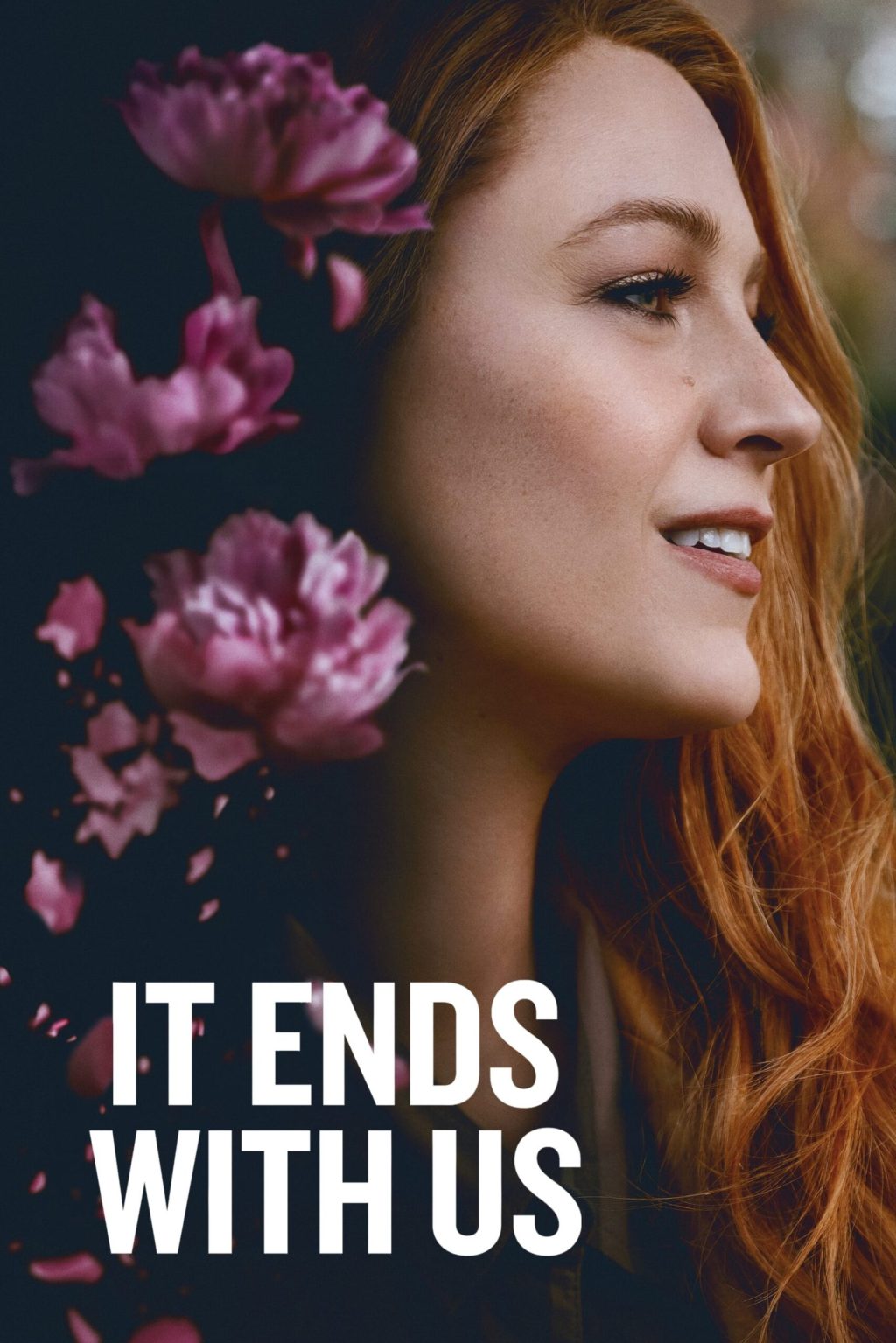
How the tone-deaf marketing of It Ends With Us turned a poignant narrative about domestic violence into a floral disaster, as Blake Lively’s press tour and brand antics highlight the critical need for authenticity in Hollywood storytelling.
When it comes to the intersection of storytelling and marketing, It Ends With Us, the film adaptation of Colleen Hoover’s bestselling novel, serves as a cautionary tale of epic proportions. Featuring the effortlessly glamorous Blake Lively, one might think this film would present a unique opportunity to explore the heavy and unyielding subject of domestic violence. However, as the promotional campaign unfolded, it quickly became apparent that the marketing team had lost the plot—quite literally.
At the heart of Hoover’s novel are themes of abuse, female empowerment, and the difficult choices many women face. These are not light subjects; they demand sensitivity and understanding. Yet, as the marketing team strutted into the spotlight, they seemed to prioritize aesthetics over the gravity of the story. Instead of focusing on the important conversations surrounding the film, they inundated audiences with florals, Instagrammable moments, and a cavalcade of celebrity selfies. If the goal was to create a movement, they ended up with a floral disaster instead.
Let’s dive into the press tour, a veritable buffet of missteps that could make even the most seasoned public relations professional cringe. Lively, who has expertly built her brand around a fashion-forward persona, seemed intent on turning a serious narrative into a runway show. During the red carpet premier for the film, conversations drifted toward astrology and fashion rather than the very real issues of domestic violence at hand. Nothing screams “sensitive subject matter” quite like discussing zodiac signs while promoting a film that seeks to shed light on the darker sides of relationships. One might wonder if the press agents thought they were selling the latest rom-com rather than a story meant to spark genuine conversations about the harsh realities many women face.
And then came the infamous interview moment. In a particularly notable exchange, Lively attempted to deflect questions about fashion—an area where she’s undoubtedly a pro—by accusing the interviewer of “weaponizing” feminism and misogyny. This not only drew criticism for its self-centeredness but also for its failure to grasp the significance of the questions posed. Asking a fashion icon about the film’s aesthetic was hardly an act of aggression; it was a legitimate inquiry that aligned perfectly with the film’s visual storytelling. The irony of a fashion icon being unprepared to discuss fashion was palpable, leaving viewers scratching their heads in confusion.
It was baffling how a marketing team could confuse the somber with the superficial, but such was the fate of It Ends With Us
The promotional materials themselves added another layer of tone-deaf marketing. One poster boldly stated, “We break the cycle or the cycle breaks us,” effectively encapsulating the film’s core message. In contrast, another poster featuring Lively smiling against a floral backdrop chirped, “We love, we break, we pick up the pieces.” The latter felt more like an invitation to a spring brunch than a serious discussion about the cyclical nature of abuse. It was baffling how a marketing team could confuse the somber with the superficial, but such was the fate of It Ends With Us.
As the social media waves surged, the inevitable “cancellation” of Lively began to unfold. Critics and fans alike took to platforms like TikTok and YouTube to dissect her every move. With a staggering number of views, videos emerged dissecting her apparent hypocrisy and the glaring disconnect between the film’s message and her promotional tactics. In an age where social media can swiftly turn adoration into disdain, Lively found herself on the wrong side of public sentiment—a reminder that even the most beloved celebrities are not immune to the tides of critique.
To add to the absurdity, Lively’s attempts to weave her beverage brand, Betty Buzz, into the promotional material left many aghast. At an afterparty, cocktails named after the film’s abuser were served, further highlighting the disjointed relationship between the marketing efforts and the film’s serious themes. Were these drinks crafted by an agency that had actually seen the film? Or was it simply an elaborate ploy to get the hashtag trending? Either way, it was a tone-deaf miscalculation that compounded the existing backlash.
In conclusion, the marketing campaign for It Ends With Us serves as a stark reminder that how you tell a story matters just as much as the story itself. Hollywood often forgets that while they may be selling entertainment, they are also responsible for shaping narratives that resonate on a human level. In this instance, the opportunity to facilitate crucial conversations about domestic violence was squandered in favor of self-promotion and superficiality.
As audiences increasingly demand authenticity, this misadventure should be viewed as a teachable moment. One can only hope that in the future, the glitz and glamour of Hollywood will give way to a more profound understanding of the stories that need to be told—stories that can inspire, educate, and heal rather than merely entertain. After all, a film about love and survival deserves better than a marketing strategy that can only be described as a floral disaster.
 Margaret Dalene Armstrong